
How to Open a UK Company for Photography Businesses

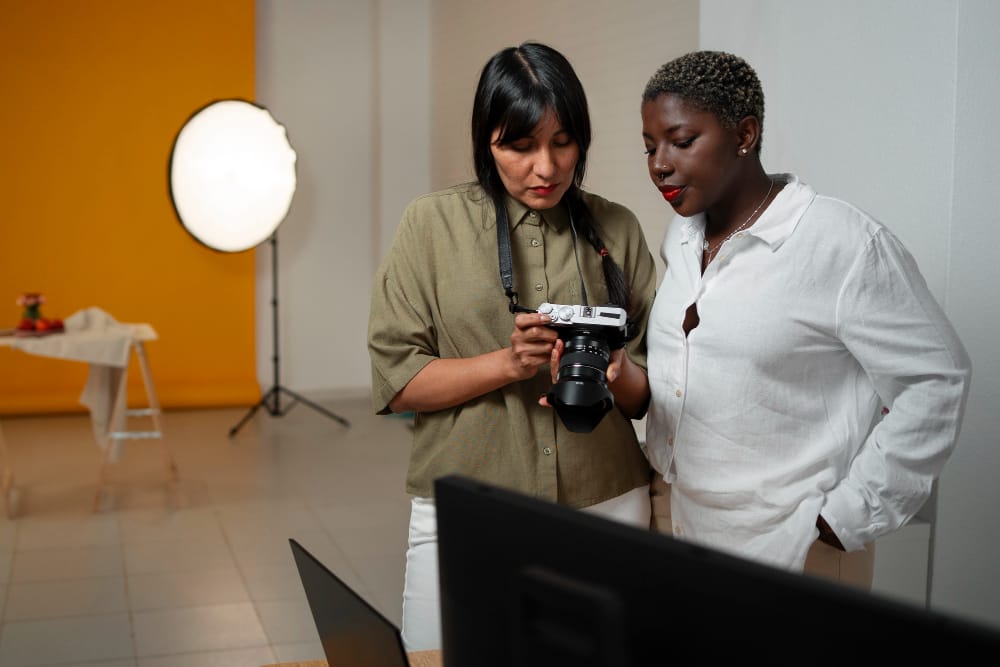
Starting a photography business in the UK can be as simple as taking on freelance assignments, but creating a proper company can give you a stronger commercial foundation as your work grows. A UK limited company can separate your personal finances from the business, make it easier to work with larger clients, and provide a more professional structure for contracts, payments and future expansion.
For photographers, however, company formation is only one part of the process. You also need to think about copyright, contracts, insurance, equipment, tax, data protection and if you work with weddings, events, schools or commercial clients the specific risks attached to your work.
This guide explains how to open a UK company for a photography business, including what to register, what to do after incorporation and the issues photographers should consider before taking their first booking.
Why Set Up a UK Company for a Photography Business?
A photography business can operate as a sole trader, but a private limited company is often attractive once the business has regular clients, meaningful revenue or plans to expand. A limited company is legally separate from its owners. This means the company's finances and obligations are generally distinct from the personal finances of its shareholders and directors. There are practical advantages:
- Professional credibility: Some agencies and corporate clients prefer contracting with registered companies.
- Limited liability: The company structure can provide a degree of separation between business liabilities and personal assets, although it does not eliminate personal responsibility in every situation.
- Growth potential: A company can employ staff, engage contractors and bring in additional shareholders.
- Clear financial records: Business income and expenses can be managed separately from personal finances.
- Brand ownership: Your company can build a recognisable commercial identity around your photography services.
- Future flexibility: A company can make sense if you eventually move from individual assignments into a studio, production company or photography agency.
That does not mean incorporation is automatically the best choice for every photographer. A new photographer with very low income and limited business risk may find operating as a sole trader simpler. The right structure depends on your circumstances, expected income, costs and long-term plans. Professional tax advice can be worthwhile before making the decision.
Step 1: Decide What Type of Photography Company You Are Building
Before registering the company, define the commercial model. A photography business might focus on:
- Wedding and event photography
- Corporate photography
- Product photography
- Fashion and editorial photography
- Real estate photography
- Food photography
- Family and portrait photography
- Sports photography
- School photography
- Commercial advertising
- Photography education and workshops
- Stock photography and licensing
- Drone photography
- Photography and video production
This matters because your business activities influence your contracts, insurance requirements, equipment needs and potential regulatory obligations. For example, a wedding photographer may need strong cancellation and postponement terms, while a commercial product photographer may need detailed agreements covering image usage, licensing and intellectual property.
If you intend to offer both photography and videography, consider including both activities within the company's stated business activities rather than creating an unnecessarily narrow structure.
Step 2: Choose a UK Company Name
Your company name needs to comply with UK company naming rules and should not be confusingly similar to an existing registered company. You should also check:
- Companies House name availability.
- Relevant domain names.
- Social media handles.
- UK trademark records.
- Whether the name could create confusion with another photography brand.
For example, registering Northlight Photography Ltd does not automatically give you unrestricted rights to use that brand in every context. Company registration and trademark protection are different things. If your photography brand is intended to become valuable, checking trademark availability early can prevent an expensive rebrand later.
Step 3: Choose Your Directors and Shareholders
A UK private limited company normally needs at least one director. The director is legally responsible for helping the company comply with its obligations. You will also need to determine who owns the company through its shares. For a solo photographer, a straightforward structure may be:
- One director
- One shareholder
- 100 ordinary shares
But there are situations where a different arrangement may make sense. For example, if two photographers are launching a studio together, they may each own shares. If outside investors are involved, the share structure may become more sophisticated. Do not create a complicated ownership structure simply because it looks professional. The best structure is the one that accurately reflects ownership, control and future plans.
Step 4: Register the Company With Companies House
The incorporation process requires information about the company, including its:
- Name
- Registered office address
- Directors
- Shareholders
- People with Significant Control (PSCs)
- Articles of association
- Business activities
You will also need to provide the appropriate identification information required by the current Companies House registration process. A registered office address is particularly important for photographers who work from home. Companies House correspondence is associated with the registered office, so many founders consider using a professional registered office service instead of publishing their residential address where permitted.
For international founders, forming a UK photography company may also be possible, but company registration does not automatically give someone the right to live or work in the UK. Immigration and business registration are separate matters. IncorpUK, for example, is a UK company formation and management platform used by global founders who want to establish and maintain UK companies.
Step 5: Select the Right SIC Code
When forming the company, you need to select one or more Standard Industrial Classification (SIC) codes describing what the business does. Photography businesses commonly use SIC codes relating to photographic activities, depending on the exact services offered.
The important point is not to select a code simply because another photographer uses it. Choose the code that most accurately describes your company's activities. If the business later expands significantly, for example, from photography into video production, training or media production, you should review whether its registered activities still accurately reflect the business.
Step 6: Set Up a Business Bank Account
Once your company is incorporated, open a business bank account in the company's name. Avoid mixing personal and business transactions wherever possible. A photographer may have many small expenses, including:
- Cameras and lenses
- Lighting equipment
- Memory cards
- Batteries
- Computer equipment
- Editing software
- Cloud storage
- Website hosting
- Advertising
- Studio rent
- Travel
- Insurance
- Second shooters and assistants
Keeping these transactions organised from the beginning makes bookkeeping and tax reporting considerably easier. It also gives you a clearer picture of whether individual photography packages are actually profitable.
Step 7: Understand Photography Tax Obligations
Incorporation does not make tax disappear. It changes how the business is taxed and how you take money from it. A limited company may be liable for Corporation Tax on its taxable profits. Directors and shareholders may receive money through methods such as salary and dividends, subject to the applicable rules and their individual circumstances. The company also has filing and accounting obligations.
What about VAT?
VAT registration depends on the company's taxable turnover and circumstances. The compulsory VAT registration threshold can change, so photographers should check the current threshold with HM Revenue & Customs rather than relying on an old figure found online.
VAT can become particularly relevant to commercial photographers working with businesses. For example, if you quote a corporate client £2,000 for a campaign, you need to understand whether your quoted price is VAT-inclusive or VAT-exclusive if your company is VAT registered.
Step 8: Get Photography Contracts Right
One of the biggest mistakes photographers make is treating a WhatsApp conversation or Instagram message as a complete business agreement. A professional photography company should use written contracts. Your agreement may cover:
- Services included
- Date and location
- Fees and payment schedule
- Deposit or booking fee
- Cancellation terms
- Rescheduling
- Delivery times
- Number and format of photographs
- Editing and retouching
- Client responsibilities
- Copyright ownership
- Image licensing
- Commercial usage
- Portfolio rights
- Force majeure
- Liability limitations
- Dispute arrangements
Copyright deserves special attention
Taking a photograph does not automatically mean your client owns the copyright. In many commercial situations, the photographer may retain copyright while granting the client a licence specifying how the images can be used.
For example, a company might pay a photographer to shoot 30 product images. The contract could specify whether those images may be used on the company's website only, across social media, in printed advertising or indefinitely across all marketing channels. The commercial value of the licence can be significant, so photographers should not treat image rights as an afterthought.
Step 9: Protect the Business With Insurance
Photography involves expensive equipment and, depending on the assignment, significant liability exposure. Relevant insurance can include:
- Public liability insurance
- Professional indemnity insurance
- Equipment insurance
- Employer's liability insurance where required
- Business interruption cover
- Vehicle-related cover where applicable
The right combination depends on the nature of the business. A photographer working alone from a home studio has different risks from a company employing several photographers and transporting thousands of pounds worth of equipment to corporate events. Insurance should therefore be based on actual activities rather than simply buying the cheapest policy available.
Step 10: Handle Client Data Responsibly
Photographers routinely collect personal information: names, email addresses, telephone numbers, wedding details, event schedules and sometimes photographs of identifiable people. UK data protection requirements can therefore be relevant. You should think about:
- How client information is collected
- Where it is stored
- Who can access it
- How long it is retained
- How photographs are delivered
- Whether third-party cloud services are involved
- Marketing consent
- Privacy notices
- Data security
Wedding photographers, school photographers and photographers working with children or vulnerable individuals should pay particular attention to privacy and consent arrangements.
Building a Photography Business Beyond Incorporation
Registering a company gives you a legal structure. It does not create a successful photography business. The next challenge is developing a repeatable commercial system.
Build packages around outcomes
Instead of simply selling "two hours of photography", consider what the client is actually buying. A corporate client might want: Corporate Brand Package
- Half-day shoot
- Executive portraits
- Workplace photography
- 30 edited images
- Commercial usage licence
- Online delivery
A wedding client may care more about coverage, reliability and delivery than technical camera specifications. Packages make it easier for prospects to understand your offer and compare options.
Track profitability by project
A £1,500 photography booking does not necessarily mean £1,500 of profit. Consider:
Revenue – direct costs – travel – editing time – subcontractors – software – equipment depreciation – overheads = contribution/profit
This calculation can reveal why some types of photography are much more attractive than others. For example, a commercial photography project that generates £2,500 with relatively low travel and editing requirements may be more profitable than a £2,000 event that requires an entire weekend, extensive post-production and significant travel.
Can a Non-UK Photographer Open a UK Photography Company?
In many cases, non-UK residents can establish UK companies, subject to the applicable Companies House requirements. However, there is an important distinction between owning a UK company and having permission to work physically in the UK.
A photographer living overseas may be able to own a UK company while serving international clients, but UK immigration, tax residence, permanent establishment and where the work is physically performed can create additional considerations. International founders should therefore consider UK company formation, tax residence and immigration separately rather than assuming incorporation solves all three.
Frequently Asked Questions
Can a photographer open a UK limited company?
Yes. A photography business can generally operate through a UK private limited company, provided the company meets the applicable Companies House requirements.
Is a limited company better than being a sole trader for photography?
Not automatically. A sole trader structure can be simpler for a small new business, while a limited company may become attractive as revenue, commercial risk, clients or growth plans increase. Tax and administrative differences should be considered before deciding.
Can a foreigner open a UK photography company?
Non-UK residents can, in many circumstances, establish UK companies. However, company ownership does not automatically provide UK immigration or work rights.
Does a photography company need insurance?
There is no single insurance package that applies to every photographer. Public liability, equipment and professional indemnity insurance may be relevant depending on the work. Employers' liability insurance can also be required if the company employs people.
Does a photographer keep copyright after incorporating?
Incorporating does not by itself determine copyright ownership. The photographer or company should establish ownership and licensing terms through appropriate contracts.
Does a photography company need to register for VAT?
Only businesses meeting the relevant conditions and thresholds need compulsory VAT registration. Voluntary registration may also be possible. Always check the current HMRC rules because thresholds and requirements can change.
Can I run a photography company from my home?
Yes, many photographers operate from home. However, you should check your lease or mortgage conditions, insurance requirements and any relevant local restrictions, particularly if clients regularly visit your property or you operate a studio.
Do I need a business bank account?
A limited company's finances should be kept separate from the owner's personal finances. A dedicated company bank account is therefore an important part of running the business properly.
What should a photography company contract include?
At minimum, consider services, fees, cancellation, delivery, copyright, licensing, client responsibilities and liability. Commercial and event photography contracts often need additional terms tailored to the assignment.
Conclusion
Opening a UK company for a photography business is more than registering a name at Companies House. The strongest setup combines the right legal structure with disciplined financial management, clear contracts, appropriate insurance, proper copyright arrangements and responsible handling of client data.
For a new photographer, the priority should be getting the fundamentals right without creating unnecessary complexity. For an established photographer, incorporation can provide a stronger platform for corporate contracts, commercial licensing, employees, studio operations and long-term growth.
The key is to build the company around the business you actually intend to operate not simply the photography services you offer today. With the right structure in place, your creative work can become a more organised, commercially sustainable business.