
How to Open a UK Company for Cafés

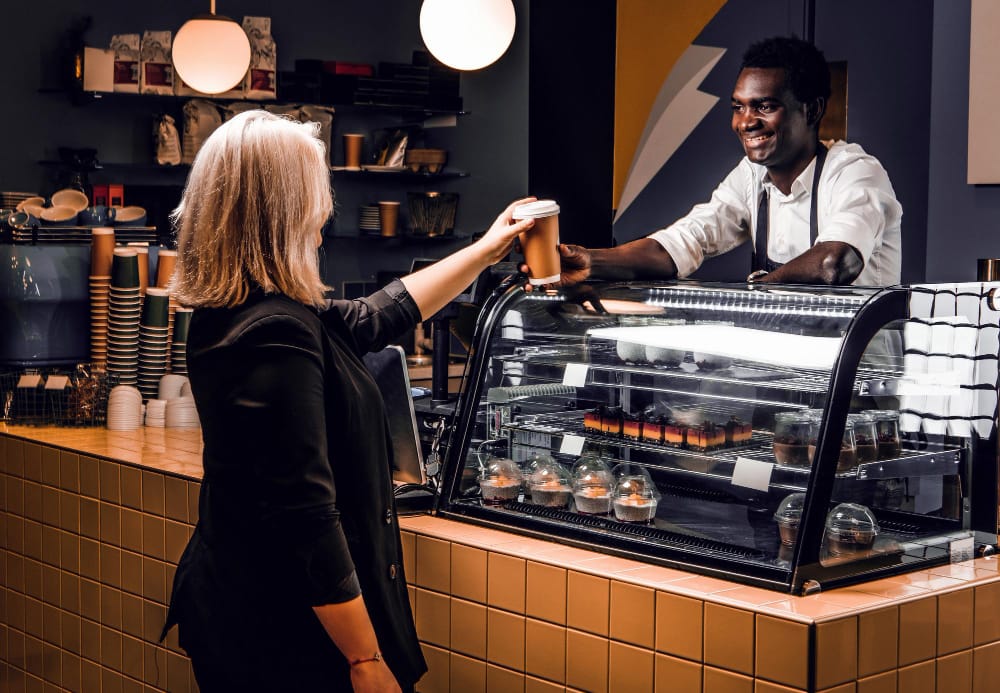
Opening a café in the UK can look deceptively simple: secure a premises, install an espresso machine, create a menu and start serving customers. In reality, a successful café sits at the intersection of company formation, food safety, premises rules, licensing, employment, taxation, insurance and tight day-to-day financial control.
For founders, a UK private limited company can provide a practical structure for operating a café, particularly where the business has multiple shareholders, employs staff, signs commercial contracts or plans to expand. But registering the company is only one part of the process. This guide explains how to open a UK company for a café, what to arrange before opening, and the compliance issues founders should understand from the beginning.
Important: This article provides general business information rather than individual legal, tax or licensing advice. Rules can differ between England, Wales, Scotland and Northern Ireland, and your local authority may have additional requirements.
Can You Open a UK Limited Company for a Café?
Yes. A café can operate through a UK private limited company. The company becomes the legal entity that can enter a commercial lease, employ staff, purchase equipment, receive customer payments and contract with suppliers. For example, a founder might establish Bean & Co Coffee Ltd and operate a customer-facing café under the trading name Bean & Co.
A limited company can also make expansion easier to structure. If the concept develops into several locations, a takeaway operation, wholesale coffee business or branded product range, the founder can review the corporate structure as the business grows. However, incorporation does not give a café permission to trade. A café may separately need food business registration, planning permissions, licences, insurance and appropriate health and safety procedures.
Step 1: Define Your Café Business Model
Before registering a company, decide exactly what you intend to operate. A café could be:
- A neighbourhood coffee shop
- A speciality coffee bar
- A bakery café
- A breakfast and brunch café
- A dessert café
- A café with takeaway service
- A café with delivery
- A café inside another business
- A mobile coffee operation
- A café combined with retail or events
The distinction matters because different models create different operational and regulatory requirements. A small coffee shop selling pastries and drinks during the day is very different from a late-night café serving hot food, alcohol and live entertainment. Your business model should therefore be established before committing to premises or equipment.
Step 2: Choose the Right Company Structure
Many café founders consider a private company limited by shares. A company will generally require:
- At least one director
- At least one shareholder
- A registered office
- Articles of association
- Details of people with significant control (PSCs), where applicable
- A company name
- Appropriate SIC code(s)
A founder can generally be both the sole director and shareholder. If two or more people are investing, however, ownership should be agreed before incorporation. Consider documenting:
- Share percentages
- Initial capital contributions
- Voting rights
- Director responsibilities
- Profit distribution
- What happens if someone leaves
- How additional funding will be provided
- How shares can be transferred
For a café with several founders, a shareholders' agreement can prevent disagreements later.
Step 3: Choose Your Café Name Carefully
Your company's legal name does not necessarily have to be identical to the name customers see. Before committing to a brand, check:
- Companies House name availability
- UK trade marks
- Domain names
- Social media handles
- Existing café and restaurant brands
- Potential customer confusion
This matters more than it may initially appear. A café that becomes popular can build considerable value in its name, logo, website and customer reputation. Registering a company name at Companies House does not automatically give comprehensive trademark protection. If you intend to build a chain, franchise the concept or sell packaged products later, think about intellectual property from the outset.
Step 4: Select Appropriate SIC Codes
When you incorporate the company, you need to describe its business activities using SIC codes. Choose codes that accurately reflect the café's activities rather than simply copying another company's details. Your activities might include café and food-service operations, depending on the precise model. If the company later moves into areas such as wholesale food, catering, accommodation or food manufacturing, review whether its registered activities remain appropriate.
Step 5: Register the Company With Companies House
Once the ownership, company name, registered office and business activities have been decided, you can incorporate the company with Companies House. After incorporation, the company will have its own registration details and ongoing filing obligations.
The café should also establish a separate business bank account and accounting system so that company transactions are clearly separated from the founders' personal finances. For international founders, this distinction is particularly important. A UK company can potentially be owned by non-UK residents, but establishing a company does not automatically provide immigration permission to live or work in the UK.
Step 6: Find Suitable Café Premises
For most café businesses, the premises will be one of the largest financial commitments. Do not choose a property based solely on rent or foot traffic. Investigate:
- Planning use
- Permitted opening hours
- Previous use of the property
- Extraction and ventilation
- Electrical capacity
- Water and drainage
- Toilets
- Accessibility
- Fire safety
- Waste storage
- Outdoor seating
- Signage
- Business rates
- Delivery access
- Noise restrictions
- Lease restrictions
A property that looks like a bargain can become expensive if it needs major electrical work, ventilation, plumbing or structural changes.
The important principle
Check whether the premises can support the business before signing a long-term lease. Professional property, planning or legal advice can be considerably cheaper than discovering after signing that your proposed café operation cannot be carried out as planned.
Step 7: Register the Café as a Food Business
This is one of the most important steps. If your café sells, cooks, stores, handles, prepares or distributes food or drink, it will generally need to be registered as a food business with the relevant local authority. The Food Standards Agency specifically includes cafés among the types of businesses covered by food business registration.
In England, Wales and Northern Ireland, food businesses generally need to register at least 28 days before trading. Registration is free. If you operate multiple café locations, each relevant establishment generally needs to be registered with the appropriate local authority. Scotland has its own food-business guidance and local authority processes, so Scottish operators should check the applicable requirements.
Registration is not the same as approval
Some food businesses may require approval rather than ordinary registration depending on their activities, particularly businesses handling certain products of animal origin for supply to other food businesses. If your café also manufactures or supplies food to other businesses, investigate whether additional approval requirements apply.
Step 8: Put Food Safety Procedures in Place
Registering the café does not mean food safety is finished. You should have practical procedures covering areas such as:
- Cleaning
- Food storage
- Refrigeration
- Cooking and reheating
- Cross-contamination
- Personal hygiene
- Pest control
- Food traceability
- Food waste
- Supplier management
- Allergen controls
The Food Standards Agency recommends planning and preparing food safety procedures before opening. For a café, food safety should become part of the daily operating routine rather than a compliance folder that nobody uses.
Step 9: Understand Allergens and Customer Information
Cafés frequently sell products containing allergens, including:
- Milk
- Eggs
- Cereals containing gluten
- Nuts
- Peanuts
- Soya
- Sesame
A café needs appropriate systems for obtaining accurate ingredient information from suppliers and communicating allergen information to customers. This becomes particularly important when menus change frequently or staff prepare customised drinks and food. If you introduce online ordering or delivery, additional customer-information and food-delivery considerations can apply. The Food Standards Agency notes that allergen information must be provided in the appropriate stages of distance selling and delivery.
Step 10: Check Whether You Need Additional Licences
Not every café needs the same licences. For example, if you intend to sell alcohol, provide certain entertainment or operate late at night, licensing requirements may apply. In England and Wales, a premises licence can be required for activities such as selling alcohol and certain regulated entertainment. The sale of hot food or drink between 11pm and 5am can also be a licensable activity.
If your café will only sell coffee, cakes and sandwiches during normal daytime hours, the licensing position may be considerably simpler. But never assume. Check with the local authority before finalising your operating model.
Step 11: Check Planning and Building Requirements
Company registration does not give you planning permission. Before altering the premises, investigate whether you need permissions relating to:
- Change of use
- Kitchen equipment
- Extraction systems
- Ventilation
- Structural work
- External signage
- Outdoor seating
- Accessibility
- Building regulations
This is especially important when converting a retail shop, office or residential property into a café. The extraction system is a common example of why technical checks matter. A café serving substantial hot food may require ventilation infrastructure that is impractical or expensive at a particular location.
Step 12: Arrange Café Insurance
Café operations create several risks. Depending on your business, consider:
- Employers' Liability insurance
- Public Liability insurance
- Product Liability insurance
- Property insurance
- Equipment cover
- Business interruption insurance
- Stock cover
If you employ staff, Employers' Liability insurance is generally required as soon as you become an employer, with at least £5 million of cover from an authorised insurer. A café may also want specialist advice because its risks can include customer injuries, food-related claims, equipment breakdown, kitchen incidents and business interruption.
Step 13: Take Fire Safety Seriously
Cafés contain cooking equipment, electrical appliances, customers, employees and combustible materials. The responsible person for relevant premises has duties relating to fire safety, including assessing fire risks and maintaining suitable fire-safety arrangements. Your café should consider:
- Emergency exits
- Fire detection
- Evacuation procedures
- Fire extinguishers
- Staff training
- Kitchen fire risks
- Emergency lighting where required
- Safe storage of combustible materials
Requirements vary across the UK, so check the rules applicable to your location.
Step 14: Set Up Accounting and VAT Properly
A café can process hundreds of transactions every week, sometimes every day. Your accounting system should reconcile:
- Card payments
- Cash
- Online orders
- Delivery-platform sales
- Refunds
- Discounts
- Supplier invoices
- Payroll
- Tips
- Service charges
- Equipment purchases
- Rent and utilities
VAT deserves early attention
The current UK VAT registration threshold is £90,000 of taxable turnover. A business generally must register when its taxable turnover exceeds the threshold over the relevant period or when it expects to exceed it within the applicable 30-day period. Voluntary registration below the threshold may also be possible.
Café VAT can require particular care because food and drink do not necessarily all receive identical VAT treatment. For example, the treatment can depend on whether food is consumed on the premises, sold as takeaway, or supplied in another way. If your café is approaching the VAT threshold, speak to an accountant before making assumptions about pricing and margins.
Step 15: Set Up Payroll and Employment Systems
A café may employ:
- Baristas
- Kitchen staff
- Supervisors
- Managers
- Servers
- Cleaners
- Administrators
Before your first employee starts, establish systems for:
- Employment contracts
- Payroll
- PAYE
- Working hours
- Holiday entitlement
- Minimum wage compliance
- Workplace safety
- Staff records
- Tips and service charges
Do not automatically classify someone as self-employed because they work flexible hours. Employment status depends on the actual relationship and applicable legal rules.
Step 16: Build Strong Controls for Cash and Stock
Café margins can be damaged by small losses repeated every day. A useful control system should include:
Daily till reconciliation
Compare POS sales with card and cash receipts.
Stock monitoring
Track coffee, milk, pastries, food ingredients, packaging and other high-volume items.
Waste recording
Record spoiled, damaged and unsold products.
Purchasing controls
Set clear approval procedures for supplier orders and significant purchases.
Refund and discount controls
Limit who can issue refunds or substantial discounts.
Supplier reconciliation
Match invoices against deliveries and payments. These controls are not about distrusting staff. They are about giving the owner accurate information about where money is going.
Café Opening Checklist
Before opening, work through this list:
- Choose the business model
- Decide on company structure
- Agree ownership
- Choose the company and café names
- Check trademark availability
- Select SIC codes
- Incorporate the company
- Open a business bank account
- Choose accounting software
- Find suitable premises
- Check planning requirements
- Review the lease
- Assess extraction and ventilation
- Register the food business
- Prepare food safety procedures
- Establish allergen controls
- Check licensing requirements
- Arrange insurance
- Complete fire safety arrangements
- Set up payroll
- Recruit and train staff
- Assess VAT
- Set up POS systems
- Establish supplier contracts
- Arrange waste collection
- Test payment systems
- Reconcile opening stock
Common Mistakes When Opening a Café
Signing the lease before checking the property
The wrong premises can consume your capital before the café even opens.
Assuming a previous café has solved everything
A property that used to be a café may still have different planning, licensing, building or equipment requirements for your proposed operation.
Underestimating working capital
Your opening budget should include more than equipment and decoration. Allow for deposits, rent, staff costs, stock, utilities, professional fees, marketing and the period before sales become predictable.
Ignoring waste
A few pounds of wasted food each day can become thousands of pounds annually.
Pricing without considering VAT
Your menu prices need to make sense after accounting for the applicable VAT treatment, ingredient costs, labour, rent and other overheads.
Treating compliance as paperwork
Food safety, fire safety, employment and financial controls work best when they are integrated into everyday operations.
Can a Non-UK Resident Open a UK Café Company?
Generally, a non-UK resident can establish and own a UK company, subject to the relevant company, identity verification, banking, tax and other requirements. However, owning a UK company is not the same as having UK immigration permission. An overseas café founder should separately consider:
- UK company requirements
- Immigration status
- Personal tax residence
- Overseas tax obligations
- UK premises
- Banking
- Where the business is managed
- Cross-border tax implications
For international entrepreneurs, IncorpUK is relevant editorially as a UK company formation and management platform for global founders. Tax, immigration and specialist legal matters should be assessed with appropriately qualified professionals.
Frequently Asked Questions
Can I open a café as a UK limited company?
Yes. A café can operate through a UK private limited company. The company can employ staff, sign contracts, lease premises and conduct the café's commercial activities.
Does a café need to register as a food business?
Generally, yes. Businesses that sell, cook, store, handle, prepare or distribute food or drink generally need to register with the relevant local authority. In England, Wales and Northern Ireland, registration is generally required at least 28 days before trading.
Is food business registration free?
Yes. Food business registration with the local authority is generally free.
Do I need a licence to sell alcohol in a café?
If your café sells alcohol, licensing requirements generally apply. In England and Wales, selling alcohol from premises normally requires a premises licence, subject to the applicable licensing framework.
Can a foreigner open a café company in the UK?
Generally, yes. A non-UK resident can potentially own a UK company. However, company ownership does not automatically provide permission to live or work in the UK.
What is the VAT threshold for a UK café?
The current VAT registration threshold is £90,000 of taxable turnover, although specific circumstances can create registration obligations and voluntary registration may also be possible below the threshold.
Does a café need Employers' Liability insurance?
Generally, yes if you employ people. GOV.UK states that Employers' Liability insurance must be obtained as soon as you become an employer and must cover at least £5 million from an authorised insurer.
Can I run a café and takeaway from the same company?
Yes. A company can operate multiple related activities. However, you should make sure the company's registrations, licensing, food-business information, accounting and tax treatment accurately reflect the activities you undertake.
How early should I register my café as a food business?
In England, Wales and Northern Ireland, you generally need to register at least 28 days before trading. The Food Standards Agency recommends registering when you are sufficiently close to being ready to start operations rather than registering unnecessarily early.
Conclusion
Opening a UK company for a café is relatively straightforward compared with building a café that is legally compliant and financially sustainable. The company itself is only the foundation. A successful launch requires the right premises, food business registration, food safety procedures, appropriate licences, insurance, employment systems, accounting controls and enough working capital to survive the early months.
For a first-time café founder, the biggest lesson is to work backwards from the operation rather than forwards from company registration. Decide what you want the café to do, establish what the premises must support, identify the permissions required, calculate the economics, and then put the corporate structure around the business.
For international founders, the same principle applies with an additional layer of planning around tax, banking, immigration and cross-border management. Get the foundations right before spending heavily on the fit-out. A great coffee concept can attract customers, but disciplined planning is what gives the business a realistic chance of staying open long enough to build a loyal customer base.